
The entertainment industry may be feeling relieved that the latest $200 billion round of tariffs announced on Monday by Donald Trump against Chinese imports did little direct damage.
But the pain may come in the longer term if economic relations between the world’s two largest economies continue to worsen.
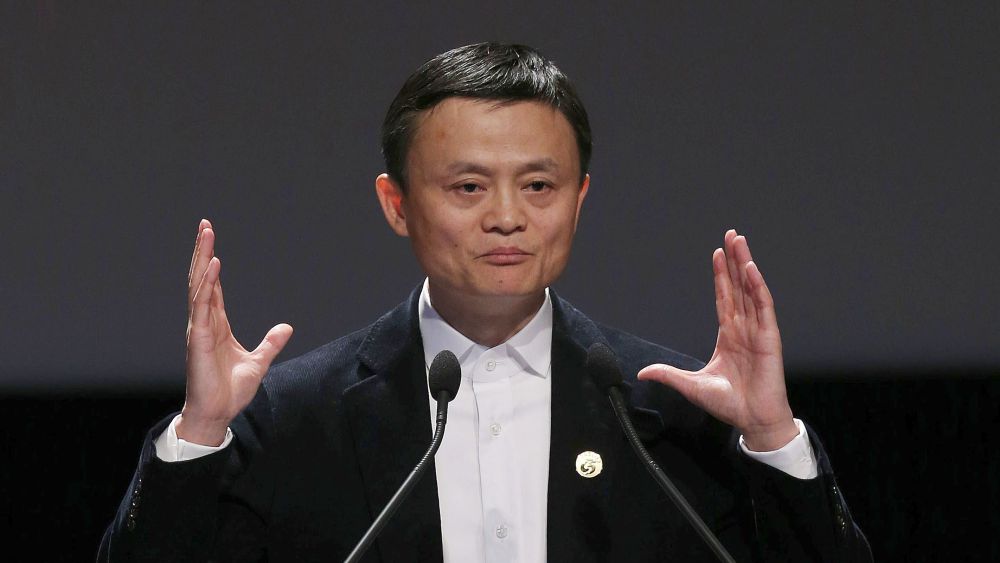
, who had been the first Chinese businessman to welcome Trump’s election, this week said Alibaba is no longer planning to create a million jobs in the U.S. “The promise was made based on the premise of friendly US-China partnership and rational trade relations,” Ma told China’s state news agency Xinhua on Wednesday. “That premise no longer exists today, so our promise cannot be fulfilled.”
The head of the World Trade Organization, Robert Azevedo, said he has committed the WTO to getting the two sides talking. “I don’t think it’s over. They have lots of ammunition and it can expand to other areas beyond just tariffs … and trade.” The New York Times warned that “Trump has put the U.S. and China on the cusp of a new Cold War.”
On Tuesday, stock markets in Asia experienced a so-called relief rally. Although the headline value of the Trump tariffs is a significant step up from the first $50 billion announced in July, but the rate at which the goods are penalized is set at only 10% until the end of the year. After that they rise to the same 25% as the first tranche. In a more hostile scenario, a higher rate of duty could have been imposed immediately.
Equally, China hit back quickly, announcing tariffs on some $60 billion of U.S. goods imports. But it chose not to go as far as imposing retaliatory tariffs on all incoming American goods.
The 194-page list published by the U.S. Trade Representative includes products ranging from editing equipment to exposed 35mm film and sound recordings on motion picture film. But some of these measures are carried over from the July list and, anyway, across most of the entertainment sector, the U.S. has a trade surplus with China, not a deficit.
China is reconsidering whether to bother sending a trade delegation to Washington. It says the U.S. has “poisoned” the atmosphere. And U.S. officials are reported to have become frustrated by Chinese “lack of action.”
That could be an unfortunate model for exchange in the entertainment sector, where talks to revise a 2012 bilateral deal covering film imports, revenue-sharing and distribution conditions have been stalled since February. China has little reason to make new concessions to Hollywood – it had been expected to increase the number of imports, and pay out a larger proportion of box office receipts – when the governments are at loggerheads.
(Excerpt) Read More at: Variety.com